
Investing in the ocean starts with understanding the system.
/ Our approach
The ocean is not one market, one problem, or one investment theme. It is an interconnected and interdependent system of different ecosystems, industries, communities, policies, and capital flows.
If we want capital to deliver meaningful impact aligned with financial returns, we need to understand how the system works, where it is under pressure, and which venture-profile interventions can shift it in the right direction.
/ Central ideas
Key concepts

.jpg)


Ocean system
The ocean system is the interconnected relationship between ocean ecosystems, industries, communities, policies and capital flows. A change in one part of the system can create ripple effects across the others
Systems change investing
Systems change investing is, at its core, an exercise in reasoning: understanding how a complex system works so you can direct the right types of capital to the most meaningful interventions. It focuses on root cause analysis, feedback loops, and leverage points that can unlock multiple positive outcomes and strengthen the resilience of the system as a whole.
Leverage points
Leverage points are places in a system where targeted interventions can create outsized change. They help investors focus on where capital can unlock broader transformation, rather than only incremental gains.
Materiality
Materiality is about what truly matters for long-term ocean health and resilient value creation, not just what is easiest to count. In complex systems, the most material intervention is not always the one with the simplest headline metric.
Capital orchestration
Capital orchestration means aligning different forms of capital with different leverage points, stages and market conditions. Some opportunities need venture capital, others need philanthropy, blended finance, public support or strategic coordination across all of them.
/ A systems view
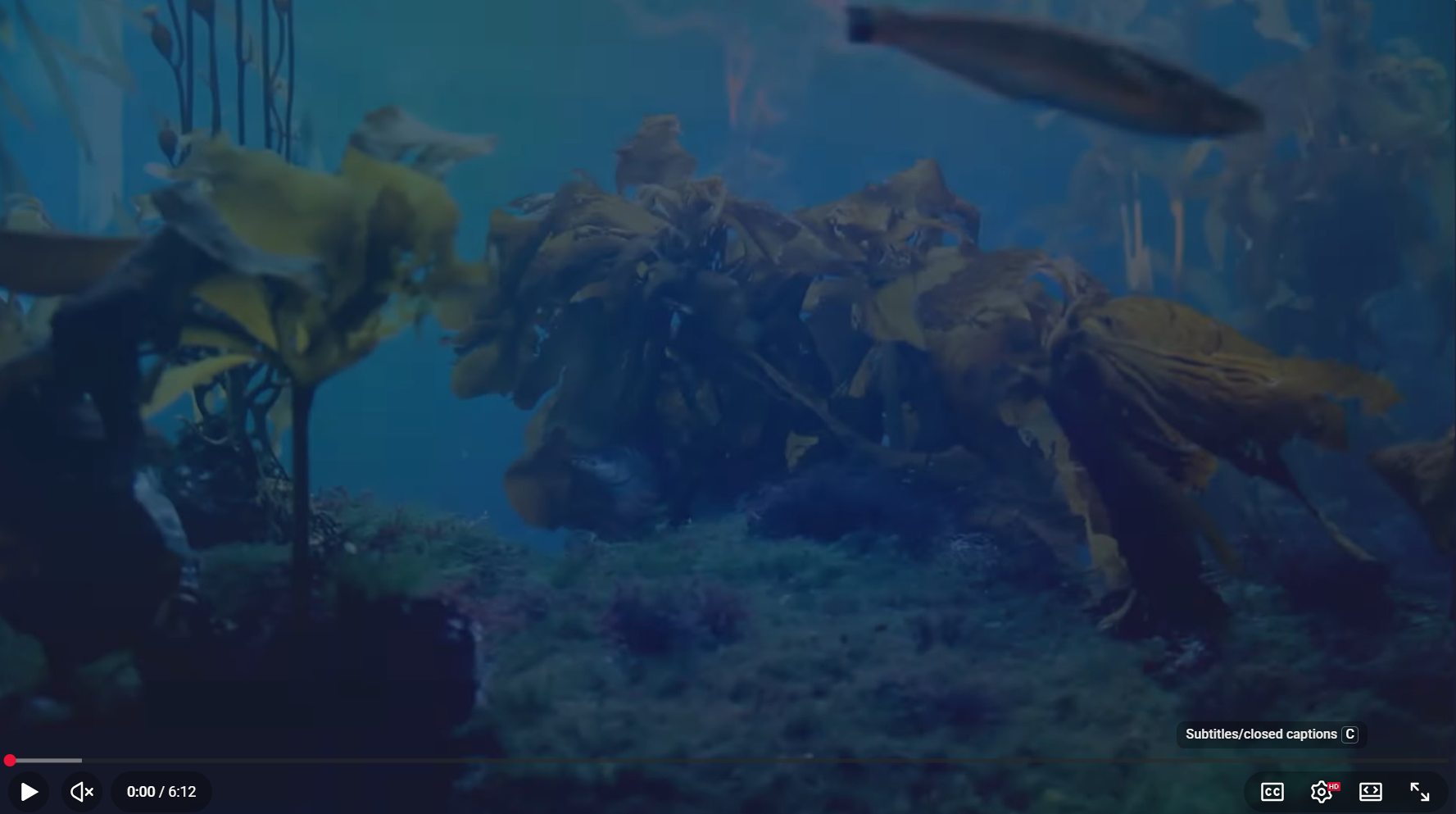
The ocean is a system
The ocean is the planet’s greatest natural asset, and it sits at the center of climate stability, biodiversity, food systems, trade, coastal livelihoods and sovereign resilience. The pressures on it are also interconnected: climate change, biodiversity loss, and pollution do not operate separately, and neither do the markets and industries shaping them.
That is why we do not approach the ocean as a collection of disconnected verticals. We see it as a living economic and ecological system, where outcomes in one area shape outcomes in another.
That is why we do not approach the ocean as a collection of disconnected verticals. We see it as a living economic and ecological system, where outcomes in one area shape outcomes in another.
.png)
/ Where change happens
No impact without understanding leverage
Instead of evaluating one company, one technology, or one outcome at a time, we try first to answer the question: where in the system can our capital unlock the greatest shift?
Our approach starts with finding leverage points, the interventions that can influence wider dynamics across markets, ecosystems, and communities. That is how we think about directing capital toward systemic change, not only isolated progress.
We focus on leverage points because the science is clear: without systemic, holistic change, the shifts needed to keep the ocean — and the planet — liveable will not happen at the scale and pace required.
Our approach starts with finding leverage points, the interventions that can influence wider dynamics across markets, ecosystems, and communities. That is how we think about directing capital toward systemic change, not only isolated progress.
We focus on leverage points because the science is clear: without systemic, holistic change, the shifts needed to keep the ocean — and the planet — liveable will not happen at the scale and pace required.
.png)
/ What really counts
We focus on what matters, not only what is easy to measure
In complex systems, the most important intervention is not always the easiest one to count. Traditional impact logic often rewards clean, visible numbers because they are simple to report, easy to attribute, and convenient to compare.
But simple numbers can hide weak logic. A metric may look impressive while missing the more material question: does this intervention meaningfully change the underlying system, reduce long-term risk, or unlock a more regenerative pathway?
That is why we focus on materiality. We care about what most meaningfully shifts ocean outcomes, even when it is harder to measure neatly or claim individually. Katapult Ocean measures itself on how successful it can be in supporting founders to bring material interventions into being.
But simple numbers can hide weak logic. A metric may look impressive while missing the more material question: does this intervention meaningfully change the underlying system, reduce long-term risk, or unlock a more regenerative pathway?
That is why we focus on materiality. We care about what most meaningfully shifts ocean outcomes, even when it is harder to measure neatly or claim individually. Katapult Ocean measures itself on how successful it can be in supporting founders to bring material interventions into being.
.png)
/ How capital fits
Different leverage points need different capital
Once one can understand a system and its leverage points, the next question is practical: what kind of capital fits where. Different interventions in the ocean system sit at different levels of scientific, market, policy, and financial maturity, so they do not all need the same funding pathway.
We are developing a capital orchestration approach that uses this systems insight to connect leverage points with suitable types of capital over time. Building on our ocean systems mapping and ongoing work on ocean solution readiness, this helps us explore which opportunities are more naturally suited to venture capital, which might require catalytic or philanthropic support first, and where coordination across capital types is likely to be necessary.
We are developing a capital orchestration approach that uses this systems insight to connect leverage points with suitable types of capital over time. Building on our ocean systems mapping and ongoing work on ocean solution readiness, this helps us explore which opportunities are more naturally suited to venture capital, which might require catalytic or philanthropic support first, and where coordination across capital types is likely to be necessary.
.png)
/ From theory to place
Applying systems thinking in regional context
The ocean is one connected system, but it is not homogeneous. The most important leverage points, the maturity of solutions, and the path to scale all vary across geographies, industries, and communities.
That is why our work is increasingly bioregional. We apply systems insight in specific regional contexts to understand what matters most in that place, what timing is right, and which investment strategies make sense there.
This is how systems thinking becomes actionable: by grounding it in real ecosystems, local market conditions, and actual deployment pathways.
That is why our work is increasingly bioregional. We apply systems insight in specific regional contexts to understand what matters most in that place, what timing is right, and which investment strategies make sense there.
This is how systems thinking becomes actionable: by grounding it in real ecosystems, local market conditions, and actual deployment pathways.
.png)
/ Beyond capital
We reduce friction for founders
Our impact does not come only from writing cheques. It also comes from how we use other forms of capital — our network, influence, and expertise — to help founders reach the right partners faster. Through our accelerators, ecosystem collaborations, and convenings, we connect portfolio companies to investors, customers, experts, and peers they would not otherwise reach as quickly.
For founders, that means less time knocking on the wrong doors and more time building what the ocean actually needs. For us, it means our impact also shows up in the quality of connections we create, the bottlenecks we help remove, and the additional capital and capacity we help bring into the system, not just in our own capital deployed.
For founders, that means less time knocking on the wrong doors and more time building what the ocean actually needs. For us, it means our impact also shows up in the quality of connections we create, the bottlenecks we help remove, and the additional capital and capacity we help bring into the system, not just in our own capital deployed.
.png)